The Siege of Baler: A Legacy of Honor and Friendship
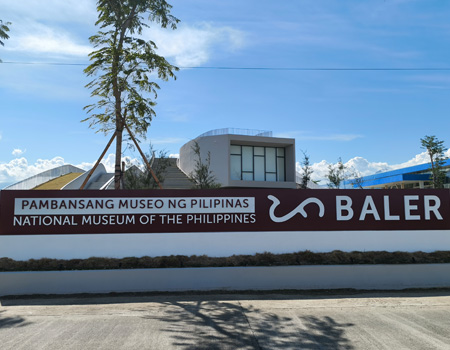
Baler, Aurora – In the annals of military history, few stories capture the essence of endurance and chivalry quite like the Siege of Baler. For 337 days, from June 27, 1898, to June 2, 1899, a small detachment of Spanish soldiers fortified themselves inside a simple stone church, unaware – or unwilling to believe – that the Spanish Empire in the Philippines had already fallen.
Today, this event is not remembered as a bitter defeat, but as the foundation of an enduring bond between the Philippines and Spain, celebrated annually as Philippine-Spanish Friendship Day.
The Holdout: 337 Days in San Luis Obispo de Tolosa
The siege began when 54 Spanish soldiers, led by Captain Enrique de las Morenas and later Lieutenant Saturnino Martín Cerezo, barricaded themselves within the San Luis Obispo de Tolosa Parish Church. Despite being surrounded by Filipino revolutionaries, facing starvation, and battling beriberi, the “Los Ultimos de Filipinas” (The Last of the Philippines) refused to surrender.
Even as messengers brought newspapers from Madrid announcing Spain’s defeat in the Spanish-American War, the soldiers dismissed them as revolutionary propaganda. It was only after a fresh bundle of Spanish newspapers convinced Martín Cerezo of the truth that the surviving 33 soldiers finally marched out of the church.
The Decree of Baler: From Enemies to Friends
What happened next changed the course of history. Instead of treating the survivors as prisoners of war, General Emilio Aguinaldo, the President of the First Philippine Republic, was so moved by their valor that he issued a historic decree. He declared that the Spanish soldiers should be treated “not as enemies, but as friends,” granting them safe conduct and military honors for their return to Spain.
This “Decree of Baler” transformed a site of conflict into a monument of humanity. It proved that honor transcends national borders, a sentiment that eventually led to the passage of Republic Act No. 9187, establishing June 30 as a national holiday to commemorate this unique friendship.
Historical and Natural Treasures of Aurora
The story of the siege is inextricably linked to the geography of Aurora. Visitors to the province can explore the historical footprints and the natural wonders that define this “wild heart” of the Philippines:
- The Baler Church (San Luis Obispo de Tolosa): The original site of the siege. While the current structure has been restored, the grounds remain the primary pilgrimage site for history buffs.
- The Quezon Memorial Park: Located in the poblacion, this site honors President Manuel L. Quezon, the “Father of the National Language,” who was born in Baler.
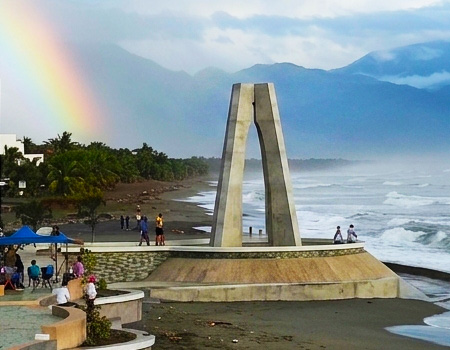
- Ermita Hill: This plateau provided a strategic vantage point during the revolution. Today, it offers a breathtaking panoramic view of Baler Bay and serves as a memorial for the 1735 Tromba Marina (Great Tsunami) that forced the town’s relocation.
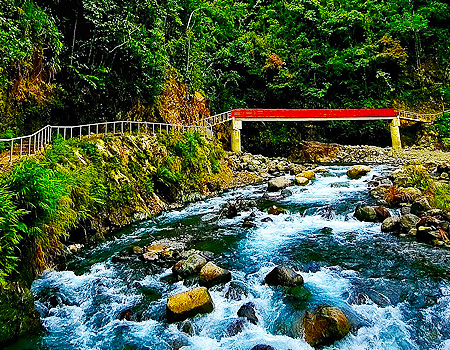
- Ditumabo Mother Falls: Located in San Luis, these falls represent the raw, untamed beauty of the Sierra Madre – the same mountains that sheltered revolutionaries during the siege.
- The 600-Year-Old Millennium Tree: Located in Maria Aurora, this massive Balete tree stands as a living witness to the centuries of history that have unfolded in the region.
Preserving the Spirit of Honor
At Aurora.ph, our vision of “Preserve to Prosper” applies to our history just as much as our environment. The Siege of Baler teaches us that respect for our heritage allows us to build a more collaborative and prosperous future. When we visit these sites, we aren’t just looking at ruins or landscapes; we are engaging with a legacy of resilience and mutual respect.
This feature is part of the Aurora.ph “Foundations of Friendship” series, exploring the historical milestones that shaped our identity.
Walk through history at www.aurora.ph Follow us: @exploreauroraph #SiegeOfBaler #FilSpanishFriendshipDay #PhilippineHistory #BalerChurch #ExploreAurora #PreserveToProsper #AuroraPH