Shadows of the Sierra Madre: The Apocalypse in Baler
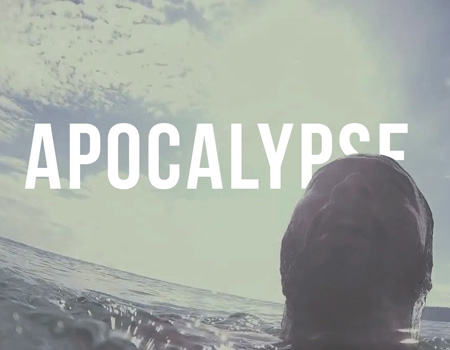
Baler, Aurora – Long before it was a destination for world-class athletes and eco-tourists, the coastline of Aurora was the backdrop for one of the most ambitious and chaotic undertakings in cinematic history. In the mid-1970s, Francis Ford Coppola brought the “horror” of Vietnam to the Philippines to film Apocalypse Now, and in doing so, he forever changed the DNA of a quiet town called Baler.
The Ghost of Charlie’s Point
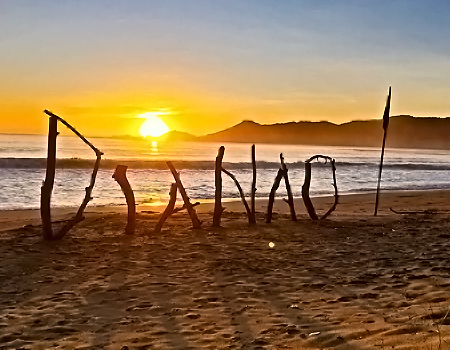
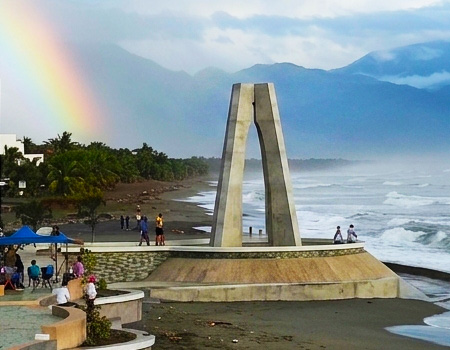
At the mouth of the Aguang River in Barangay Sabang lies a stretch of beach that film buffs know as Charlie’s Point. It was here that Lt. Col. Kilgore (played by Robert Duvall) famously declared, “Charlie don’t surf!” before ordering an air strike just to clear the break for his soldiers to catch a few waves.
The scenes shot here are iconic not just for their technical scale, but for the visceral tension between the beauty of the Pacific and the brutality of war. The famous demand – “You either surf or you fight” – encapsulated the surreal madness of Coppola’s vision.
The Stolen Surfboard: More Than a Prank
One of the most telling moments in the film involves Captain Willard (Martin Sheen) stealing Kilgore’s prized surfboard. While it serves as a moment of levity in a dark narrative, film scholars and locals alike see it as something deeper. The theft represents the stripping away of the last vestiges of “normalcy” or “home” in the face of the jungle. It is a rebellion against the absurdity of the war effort – a choice to reclaim something pure (surfing) from something corrupted (the military hierarchy).
Behind the Scenes: A Production in Purgatory
The making of the film in Aurora was famously plagued by difficulties that bordered on the supernatural. The production encountered:
- Typhoon Olga: A massive storm that destroyed sets and forced a months-long hiatus, mirroring the destructive power of the very nature the film sought to capture.
- Logistical Nightmares: The crew had to navigate the dense, unforgiving jungles of the Sierra Madre, often with limited communication and transport.
- The Heart of Darkness: Martin Sheen suffered a near-fatal heart attack during filming, and Coppola famously threatened to take his own life as the budget and timeline spiraled out of control.
- Despite the controversies and the grueling conditions, the production left behind a mystery that still haunts the local lore – a sense that the “madness” of the film had seeped into the very soil of Baler.
An Accidental Birth: The Boards Left Behind
The most positive and lasting legacy of this dark production was its ending. When the cameras stopped rolling and the crew packed up their helicopters and explosives, they didn’t take everything with them. Several surfboards were left behind on the shores of Sabang.
Local children, who had watched the stuntmen and actors riding the swells, picked up these abandoned “props” and began to teach themselves the art of the wave. Those forgotten boards were the seeds of what is now a thriving national sport. Today, every surfer at the 18th Aurora Surfing Challenge owes a small debt to those original boards left in the wake of a cinematic apocalypse.
Baler didn’t just survive the filming; it took the remnants of a story about war and transformed them into a culture of peace and vitality.
This feature is part of the Aurora.ph “Preserve to Prosper” series, celebrating the intersection of our history, our environment, and our global cultural impact.
Connect with the legacy at www.aurora.ph. Follow us on facebook, X, Instagram and youtube: @exploreauroraph
#ApocalypseNowBaler #CharliesPoint #BalerSurfingHistory #ExploreAurora #PreserveToProsper